Back to School, Little Miss Second
As an embroidery designer and product reviewer, I’ve seen thousands of designs come and go. But when I first laid eyes on Back to School, Little Miss Second, it immediately caught my attention. It’s a design that feels both nostalgic and modern, with a playful energy that fits perfectly for the start of the school year. The visual personality is warm and inviting, making it ideal for a range of projects from personal gifts to small business merchandise.
The First Impression: A Design That Speaks to the Heart
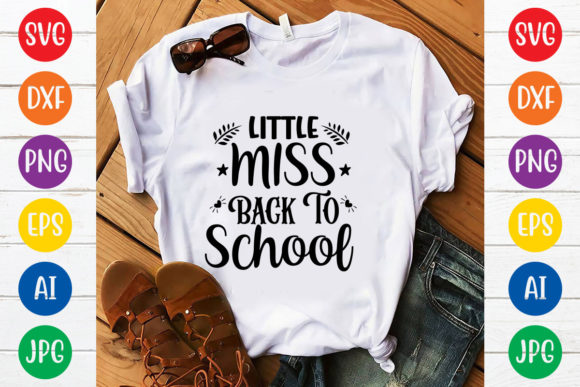
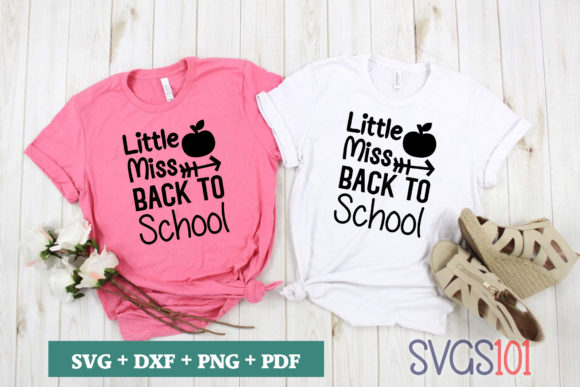
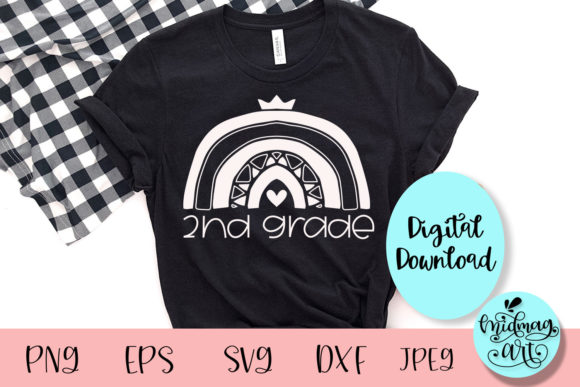
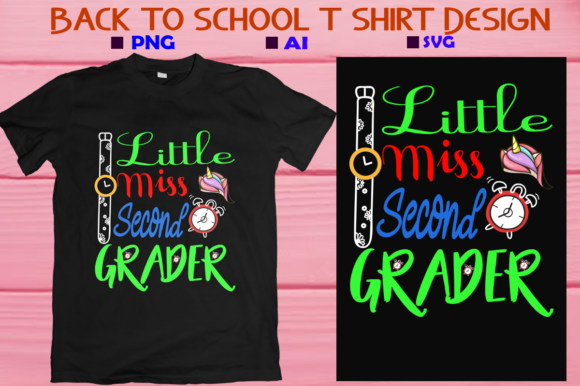
Back to School, Little Miss Second has a soft, whimsical feel that evokes memories of childhood. The layout is clean and well-balanced, with a central figure that commands attention. The theme is clear—school, learning, and growing up—but it’s presented in a way that doesn’t feel too childish or overly simplistic. The detail level is just right, offering enough visual interest without being overwhelming.
This design would naturally fit into a variety of embroidery projects. Think of a custom embroidered tote bag for a teacher, a baby onesie for a new student, or even a personalized sweatshirt for a child starting second grade. It’s versatile enough to work on different fabric types and sizes, but not so generic that it lacks personality.
Real-World Embroidery Performance: What to Expect
When testing Back to School, Little Miss Second on various fabrics, I found that it performs best on medium-weight cottons and blends. The stitch density is moderate, which helps prevent puckering or distortion on stretchy materials. However, I would recommend using a proper stabilizer, especially if working on lighter or more delicate fabrics.
For custom apparel like t-shirts or sweatshirts, this design holds up well. The use of satin stitch and fill stitch gives it a polished look, while the running stitch in the details adds a handcrafted touch. If you’re planning to use it on a baby item, such as a onesie or a blanket, be sure to test the design on a scrap piece first to ensure it won’t cause irritation or discomfort.
One area where Back to School, Little Miss Second could be tricky is on curved surfaces like caps or hoods. The design’s curves are smooth, but if the hoop size is too small, it might not capture the full shape. For these types of projects, a larger hoop or a multi-step stitching process may be necessary.
Where to Use It Carefully: Practical Considerations
While Back to School, Little Miss Second is a strong design, there are some situations where it may not perform as well. On dark fabrics, the thread colors may not show up as vividly as on light backgrounds. This could affect the overall visual appeal, especially if the design is meant to be a standout feature.
For small hoop sizes, the design might require careful placement to avoid cutting off key elements. Similarly, on textured or stretchy fabrics, the design could lose some of its definition. If you're planning to use it on a patch or a small item like a pillow cover, make sure the details are large enough to remain visible after stitching.
Another thing to consider is the durability of the finished product. If the design includes dense stitch areas, it may need extra support to prevent wear over time. For commercial embroidery projects, always check the licensing terms before selling finished items or digital products.
Visual Appeal and Customer Perception
When it comes to customer reaction, Back to School, Little Miss Second has a lot going for it. It’s visually appealing, easy to recognize, and carries a sense of nostalgia that many people will relate to. As a handmade product or personalized gift, it can add real value to your offerings.
From a branding perspective, this design could help reinforce a cohesive theme for a craft business or Etsy shop. It works well as part of a seasonal collection, especially around back-to-school time. Whether you’re creating a printable mockup for a client or preparing a boutique product for sale, Back to School, Little Miss Second can serve as a strong visual anchor.
For creative entrepreneurs, this design offers a great opportunity to engage buyers who are looking for something unique and meaningful. It’s also a good choice for holiday gifts, wedding favors, or personalized items that carry emotional weight.
Embroidery Designer Notes: Tips for Success
Before jumping into a full project, I always recommend testing Back to School, Little Miss Second on scrap fabric. This allows you to see how the design looks in real life and identify any potential issues early on.
Check the contrast between your chosen thread colors and the fabric background. Some colors may not show up as well as expected, especially on dark or patterned materials. Also, review the stitch density to ensure it’s appropriate for the fabric you’re using.
Make sure the hoop size is large enough to accommodate the entire design. If not, consider breaking it into sections or adjusting the layout. Inspect small details closely—tiny lettering or intricate patterns may not hold up well if the stitches are too tight or too loose.
Finally, always confirm the licensing terms if you plan to sell finished products or digital files. Even if the design seems perfect, it’s important to know what you can and cannot do with it.
Final Thoughts: A Design Worth Adding to Your Collection
Back to School, Little Miss Second is a design that balances creativity with practicality. It’s well-suited for a wide range of embroidery projects, from custom apparel to small business merchandise. With the right approach, it can become a valuable addition to your design assets and a reliable choice for clients and customers alike.
If you’re an embroidery designer, Etsy seller, or small shop owner, this design is worth considering for your next project. Just remember to test it thoroughly, pay attention to detail, and keep the end user in mind. With care and attention, Back to School, Little Miss Second can turn into a beautiful and meaningful finished product.